
Berbice Uprising of 1763
Disponible solo en inglés
The 1763 revolt of enslaved Africans in Berbice, led by Cuffy, and why 23 February is Republic Day.
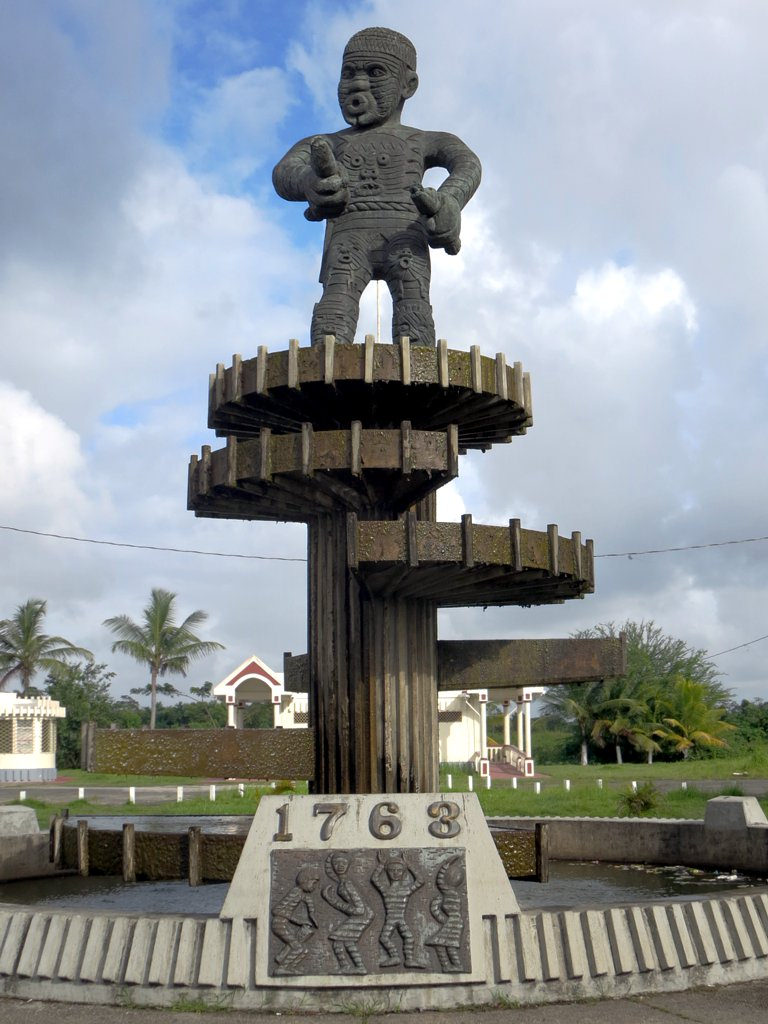
The Berbice Uprising was a revolt by enslaved Africans in the Dutch colony of Berbice. It began in February 1763 and lasted until April 1764. It is described as the first major slave revolt in South America and is a key event in Guyana's story of resistance to colonial rule.[1]
Background
In 1762 Berbice had about 3,833 enslaved people of African descent, 244 enslaved Amerindians and only 346 European colonists.[1] The Seven Years' War cut supplies to the colony and people went hungry. Disease also broke out in the fort, killing or weakening many soldiers.[1]
The revolt
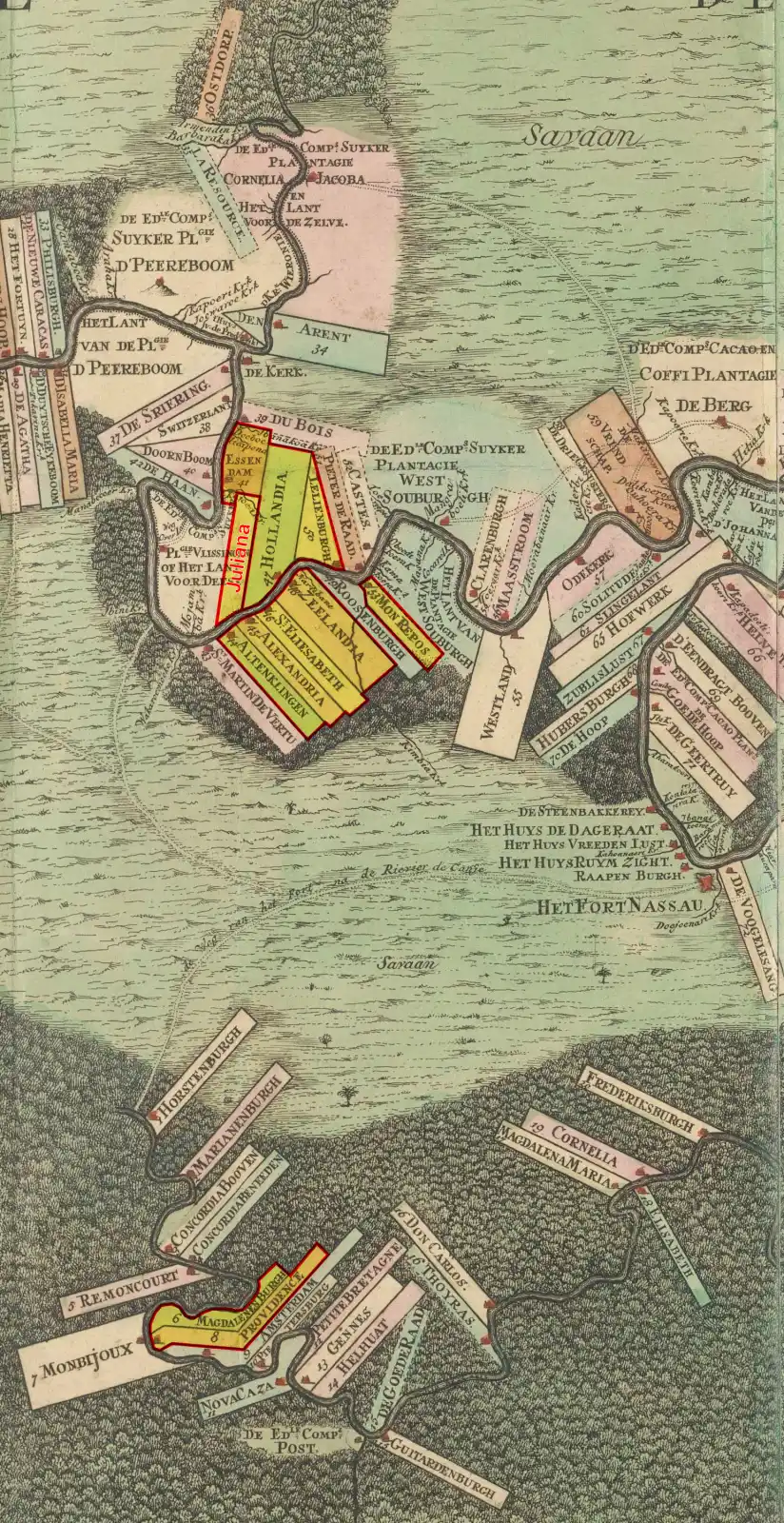
On 23 February 1763, enslaved people on plantation Magdalenenberg on the Canje River rose up against harsh treatment.[1][2] On 27 February a larger revolt began at plantation Hollandia on the Berbice River, and it spread from estate to estate.[1] Fort Nassau, which should have had 60 soldiers, had only 18 men including militia.[1]
The rebels chose Cuffy, a Coromantee (Akan) man born on the Gold Coast of West Africa, as their political leader, with Accara as military leader.[1][2] Cuffy declared himself governor of Berbice and tried to keep captured plantations running so that people would not starve.[2] For almost a year the rebels held southern Berbice while the Dutch held the north.[1]
Negotiation and defeat
On 2 April 1763 Cuffy wrote to Governor Wolfert Simon van Hoogenheim. He said he did not want war and proposed splitting Berbice, with the Dutch on the coast and the free Africans in the interior.[1][2] The governor stalled, saying Amsterdam would have to decide.[1]
Meanwhile soldiers arrived from Suriname, from British Barbados, from Sint Eustatius and later from the Dutch Republic. Kalina and Lokono fighters helped the Dutch in the interior.[1][3] A dispute between Cuffy and Accara split the rebels. Accara's faction turned on Cuffy, who took his own life.[1] The uprising was crushed by April 1764.[1]
Legacy
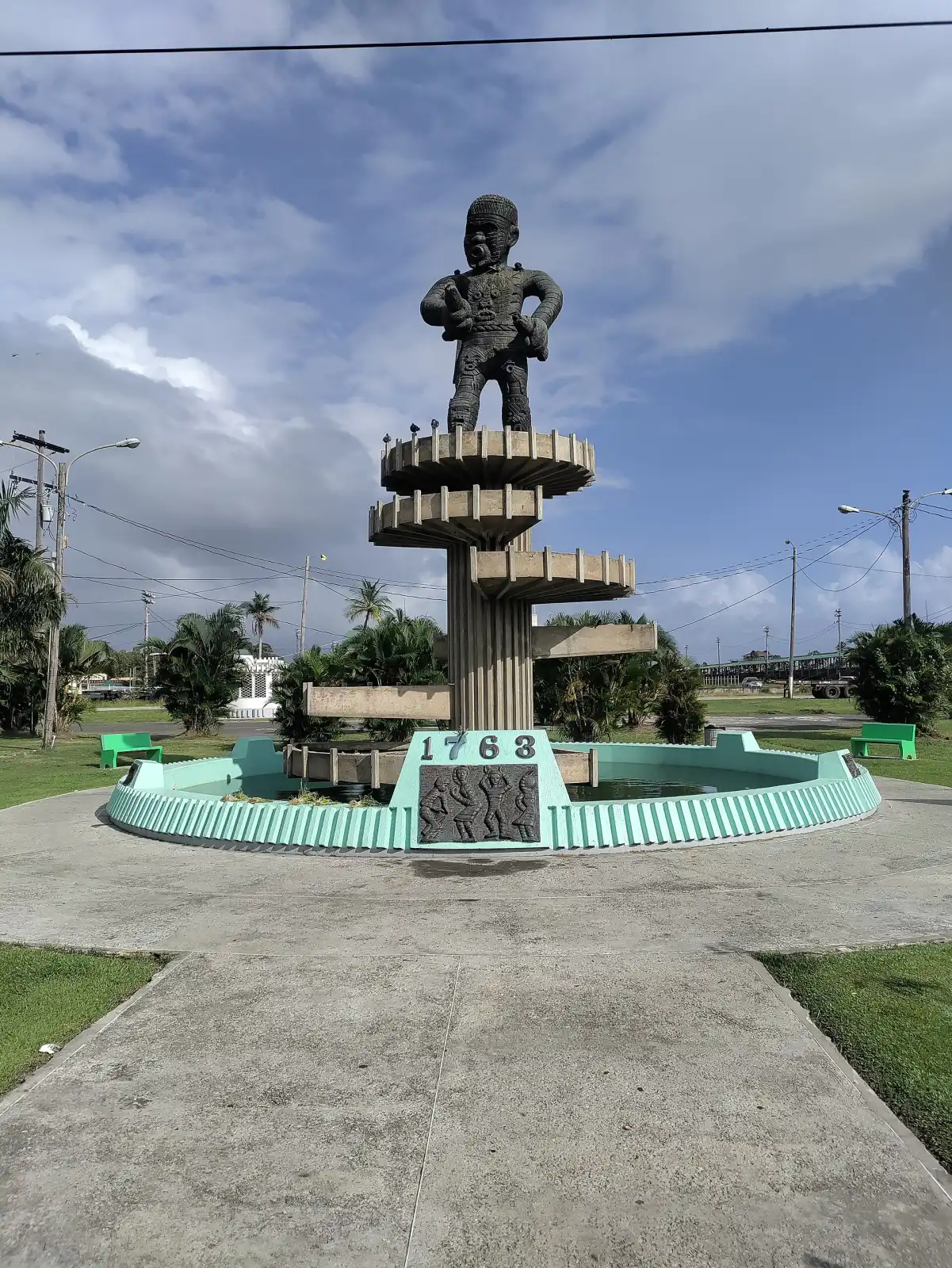
Cuffy is a national hero of Guyana.[2] When Guyana became a republic in 1970, the anniversary of the uprising, 23 February, was made Republic Day.[1][2] The 1763 Monument, also called the Cuffy Monument, stands on the Square of the Revolution in Georgetown. It was designed by Guyanese sculptor Philip Moore, stands about 15 feet tall and weighs about two and a half tons.[2]
A note on sources
Accounts differ on the start date (23 or 27 February), the number of rebels (from about 2,500 to 5,000) and some personal details. This article gives the ranges found in the sources rather than picking one.[1][2][3]
See also
References
- "Berbice Rebellion". Wikipedia. https://en.wikipedia.org/wiki/Berbice_Rebellion (accessed 24 Oct 2026) Open source Checked 24 Oct 2026.
- "Cuffy". Wikipedia. https://en.wikipedia.org/wiki/Cuffy (accessed 24 Oct 2026) Open source Checked 24 Oct 2026.
- "History of Guyana". Wikipedia. https://en.wikipedia.org/wiki/History_of_Guyana (accessed 24 Oct 2026) Open source Checked 24 Oct 2026.
Categories: History | Slavery and resistance
Text CC BY-SA 4.0. Adapted in part from the Wikipedia articles listed under References (CC BY-SA 4.0). Images are credited under their own licences. Site contact: service@computingcore.net.