
Guyana since 1999
Disponible solo en inglés
From the Jagdeo presidency to the oil boom, the disputed 2020 election and President Irfaan Ali's re-election in 2025.
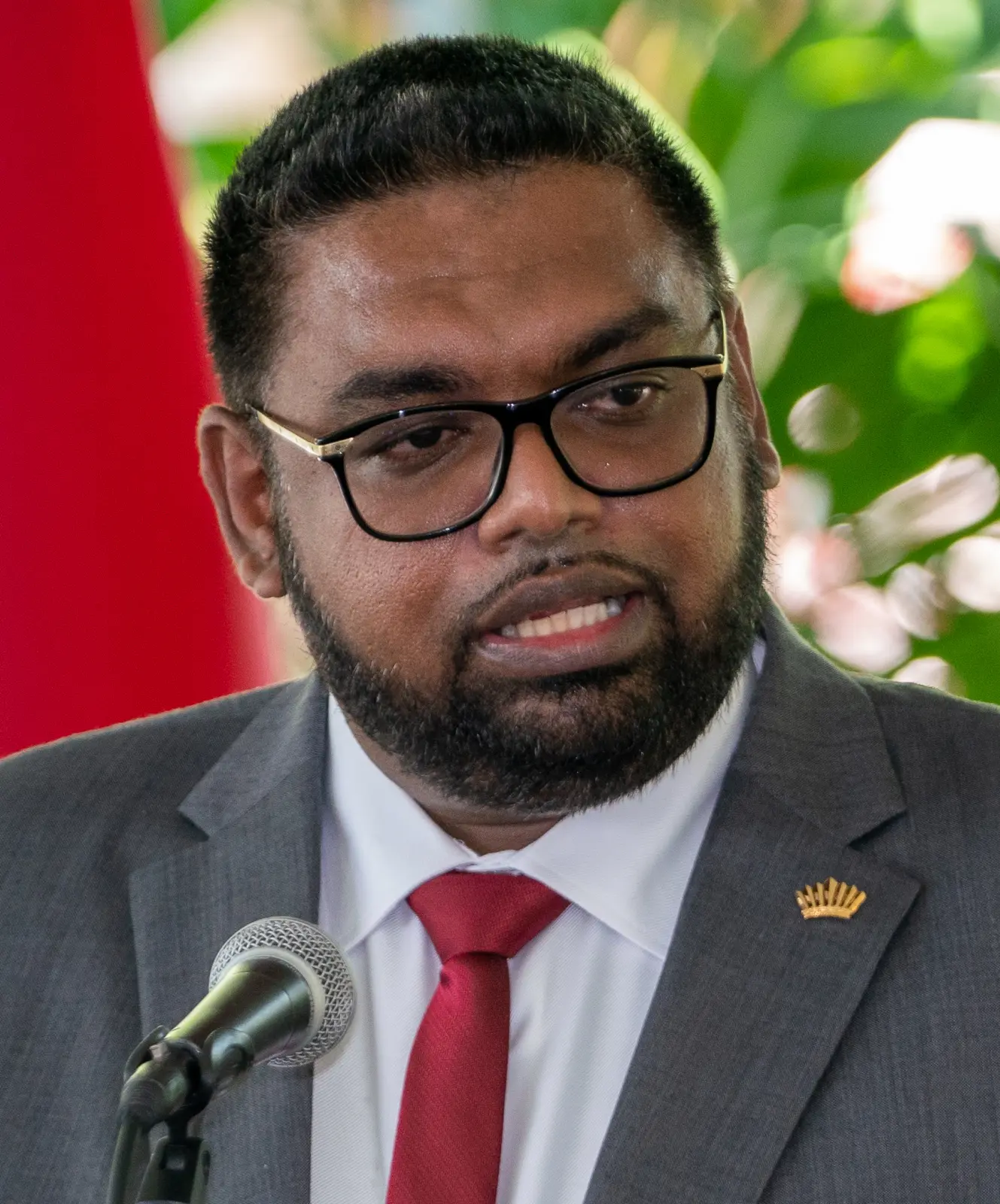
Since 1999 Guyana has had four Presidents, a hard-fought political rivalry between the PPP/C and the PNC-led coalition, and a sudden change in fortunes after oil was found offshore in 2015.[1][2]
The Jagdeo years (1999 to 2011)
Bharrat Jagdeo, a former Finance Minister, became President in August 1999 and won elections in 2001 and 2006.[1][2] His time in office saw a crime wave after five prisoners escaped from Georgetown's jail in 2002, and severe floods in 2005 that killed dozens of people and ruined crops.[1][2] In September 2007 a UN tribunal settled the maritime border with Suriname, giving Guyana the larger share of the disputed sea area.[2]
Ramotar and Granger (2011 to 2020)
Donald Ramotar of the PPP/C won the presidency in 2011, but his party lost its majority in the National Assembly for the first time in 19 years.[1][2] In 2015 the coalition of A Partnership for National Unity and the Alliance for Change (APNU+AFC) won narrowly, and David Granger became President. International observers called the vote free and fair.[2]
In May 2015 ExxonMobil announced a major offshore oil discovery. See The oil era.[3]
In December 2018 Granger's government lost a no-confidence vote by 33 to 32. It went to court instead of calling an election within three months as the constitution requires, and the election was not held until 2 March 2020.[2]
The 2020 election
The March 2020 count was marred by what Britannica calls "obvious election fraud" in favour of the governing coalition. A national recount lasting about 100 days showed the PPP/C had won by about 15,000 votes. After further court challenges and international pressure, Mohamed Irfaan Ali was sworn in as President in early August 2020.[2]
Ali's presidency
Under President Ali, Guyana's economy has grown very fast on the back of oil production.[4] In October 2025 the old floating Demerara Harbour Bridge, in use since 1978, was closed and replaced by the New Demerara Harbour Bridge.[7] Tensions with Venezuela over the Essequibo region rose sharply in 2023 (see Border controversy).[5] Ali won a second term in the general election of 1 September 2025.[6]
References
- "History of Guyana". Wikipedia. https://en.wikipedia.org/wiki/History_of_Guyana (accessed 24 Oct 2026) Open source Checked 24 Oct 2026.
- Richardson, Bonham C. and Menke, Jack K. "Guyana: Independence". Encyclopaedia Britannica. https://www.britannica.com/place/Guyana/Independence (accessed 24 Oct 2026) Open source Checked 24 Oct 2026.
- "Petroleum industry in Guyana". Wikipedia. https://en.wikipedia.org/wiki/Petroleum_industry_in_Guyana Open source
- "Economy of Guyana". Wikipedia. https://en.wikipedia.org/wiki/Economy_of_Guyana Open source
- "Guyana-Venezuela crisis (2023-2024)". Wikipedia. https://en.wikipedia.org/wiki/Guyana%E2%80%93Venezuela_crisis_(2023%E2%80%932024) Open source
- "Irfaan Ali". Wikipedia. https://en.wikipedia.org/wiki/Irfaan_Ali Open source
- "Demerara Harbour Bridge". Wikipedia. https://en.wikipedia.org/wiki/Demerara_Harbour_Bridge Open source
Categories: History | Modern Guyana
Text CC BY-SA 4.0. Adapted in part from the Wikipedia articles listed under References (CC BY-SA 4.0). Images are credited under their own licences. Site contact: service@computingcore.net.