
Slavery and emancipation
Enslaved Africans in the Guyana colonies, the end of slavery in 1834 to 1838, and the village movement that followed.
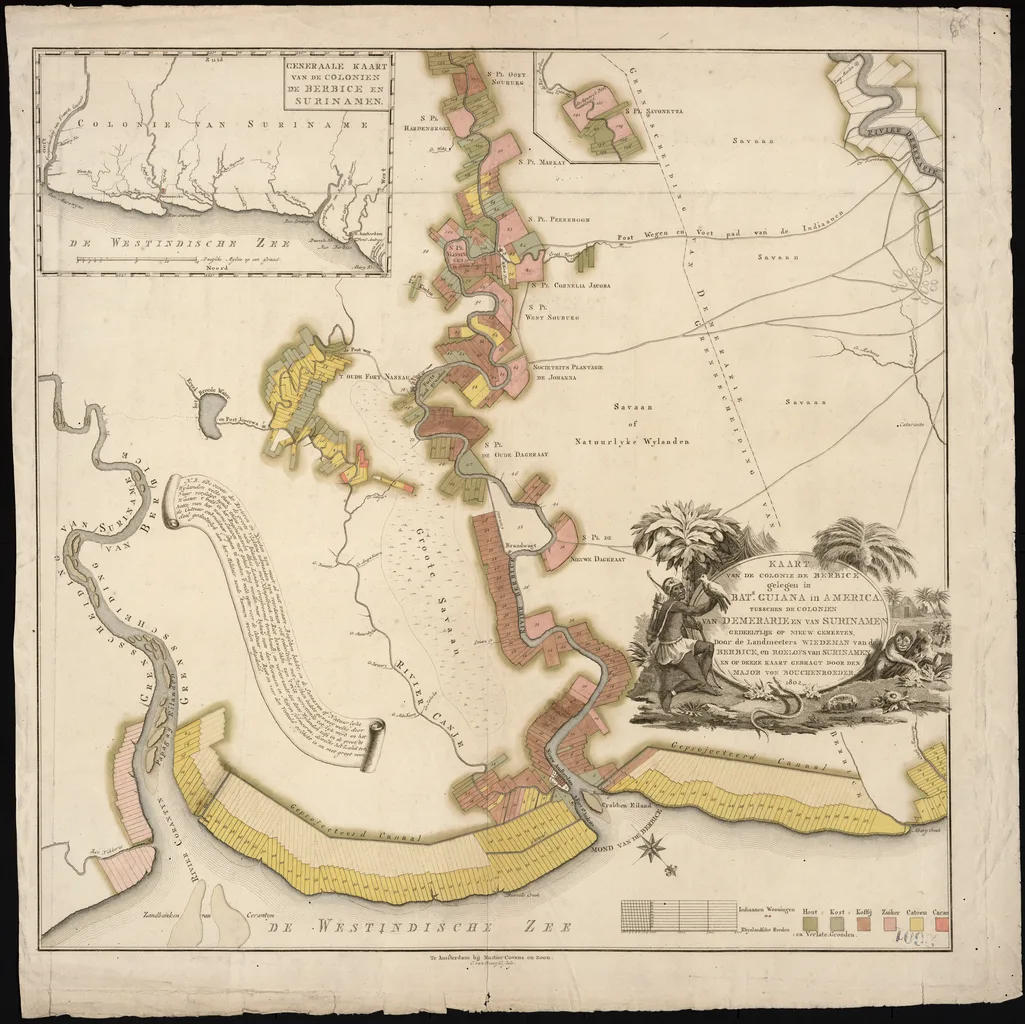
For about two hundred years, the plantations of Essequibo, Berbice and Demerara were worked by enslaved Africans. Their resistance, and the end of slavery in the 1830s, shaped modern Guyana.[1]
Enslavement
The Dutch began importing enslaved West Africans in the 1600s to grow sugar and other crops.[2] By the time Britain abolished the slave trade in 1807, there were about 100,000 enslaved people in Berbice, Demerara and Essequibo.[2] Around 1823, Demerara and Essequibo alone had about 77,000 enslaved people, compared with about 2,500 whites and 2,500 free Black people.[3]
Conditions were harsh and deaths were common. Enslaved people resisted in many ways, from running away to open revolt. The two best-known risings are the Berbice Uprising of 1763 and the Demerara rebellion of 1823.[1]
Abolition
Britain passed the Slavery Abolition Act in 1833. It came into force on 1 August 1834. Formerly enslaved people over the age of six were made "apprentices" and had to keep working for their former owners. Apprenticeship ended early, on 1 August 1838, and that date marks full freedom.[4] Slave owners, not the enslaved, were paid compensation by the British government.[1][4]
Guyana marks 1 August as Emancipation Day.[5]
The village movement
After 1838 many freed people left the plantations. Some moved to towns. Others pooled their savings to buy abandoned estates and set up their own villages, where they grew and sold food.[1]
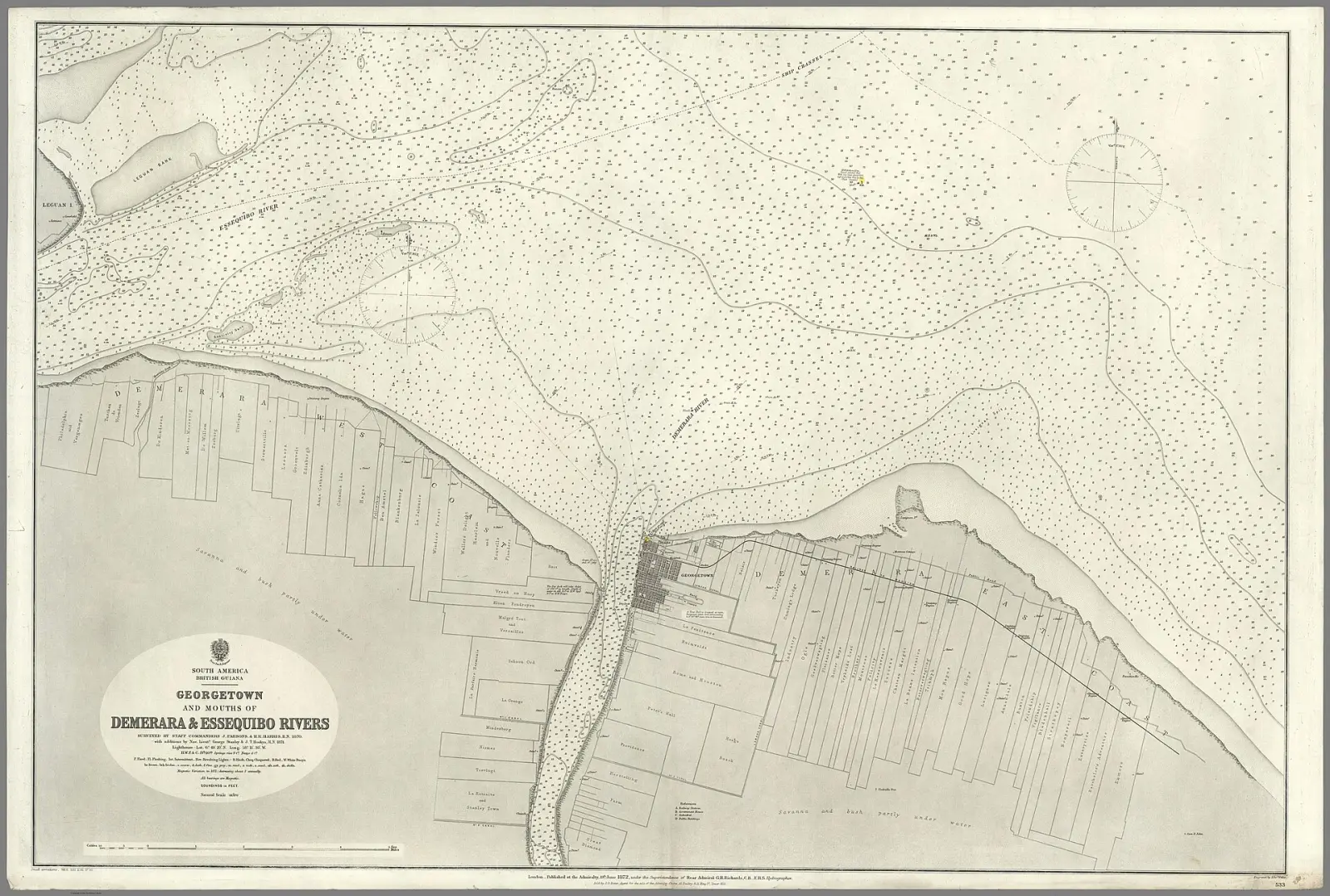
- Victoria: in November 1839, 83 freed people from five nearby estates bought Plantation Northbrook on the East Coast of Demerara for 30,000 guilders and renamed it Victoria. It is often called the first village bought by freed Africans.[6]
- Buxton: founded in 1840 when about 128 to 132 freed people bought the former Plantation New Orange Nassau. It was named after the British abolitionist Thomas Fowell Buxton.[7]
- Friendship: its sister village, bought in 1841 by 168 freed people.[7]
The rise of an independent African Guyanese farming class worried the planters, who lost their near monopoly on the economy.[1] To replace the labour they had lost, planters turned to indentured workers from abroad. See Indentureship.[1]
References
- "History of Guyana". Wikipedia. https://en.wikipedia.org/wiki/History_of_Guyana (accessed 24 Oct 2026) Open source Checked 24 Oct 2026.
- Richardson, Bonham C. "Guyana: History". Encyclopaedia Britannica. https://www.britannica.com/place/Guyana/History (accessed 24 Oct 2026) Open source Checked 24 Oct 2026.
- "Demerara rebellion of 1823". Wikipedia. https://en.wikipedia.org/wiki/Demerara_rebellion_of_1823 Open source
- "Slavery Abolition Act 1833". Wikipedia. https://en.wikipedia.org/wiki/Slavery_Abolition_Act_1833 Open source
- "Emancipation Day". Wikipedia. https://en.wikipedia.org/wiki/Emancipation_Day Open source
- "Victoria, Guyana". Wikipedia. https://en.wikipedia.org/wiki/Victoria,_Guyana Open source
- "Buxton, Guyana". Wikipedia. https://en.wikipedia.org/wiki/Buxton,_Guyana Open source
Categories: History | Slavery and resistance
Text CC BY-SA 4.0. Adapted in part from the Wikipedia articles listed under References (CC BY-SA 4.0). Images are credited under their own licences. Site contact: service@computingcore.net.