
Indigenous peoples of Guyana
Guyana's first peoples, the nine recognised nations, their history under colonial rule and their place in Guyana today.
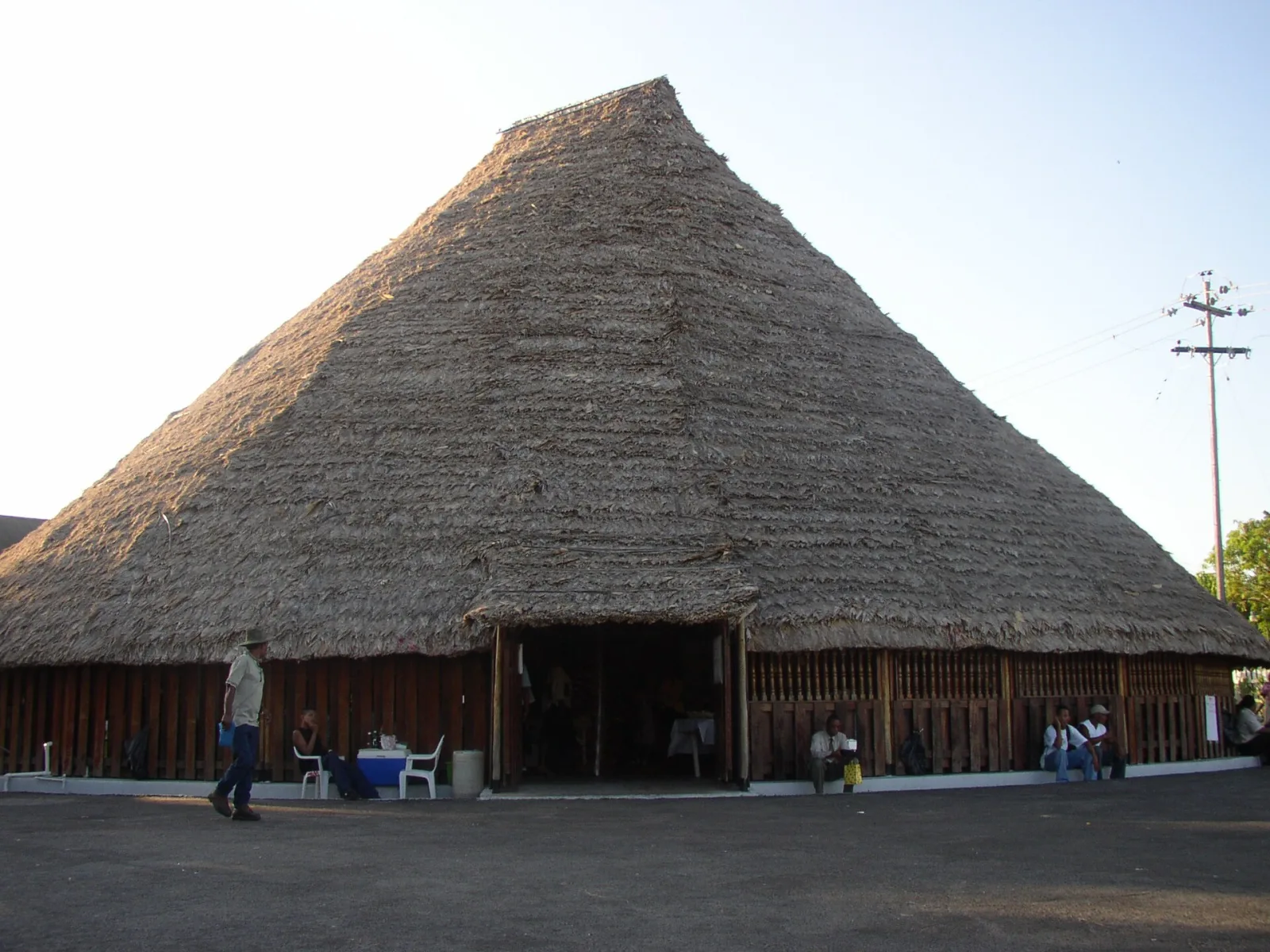
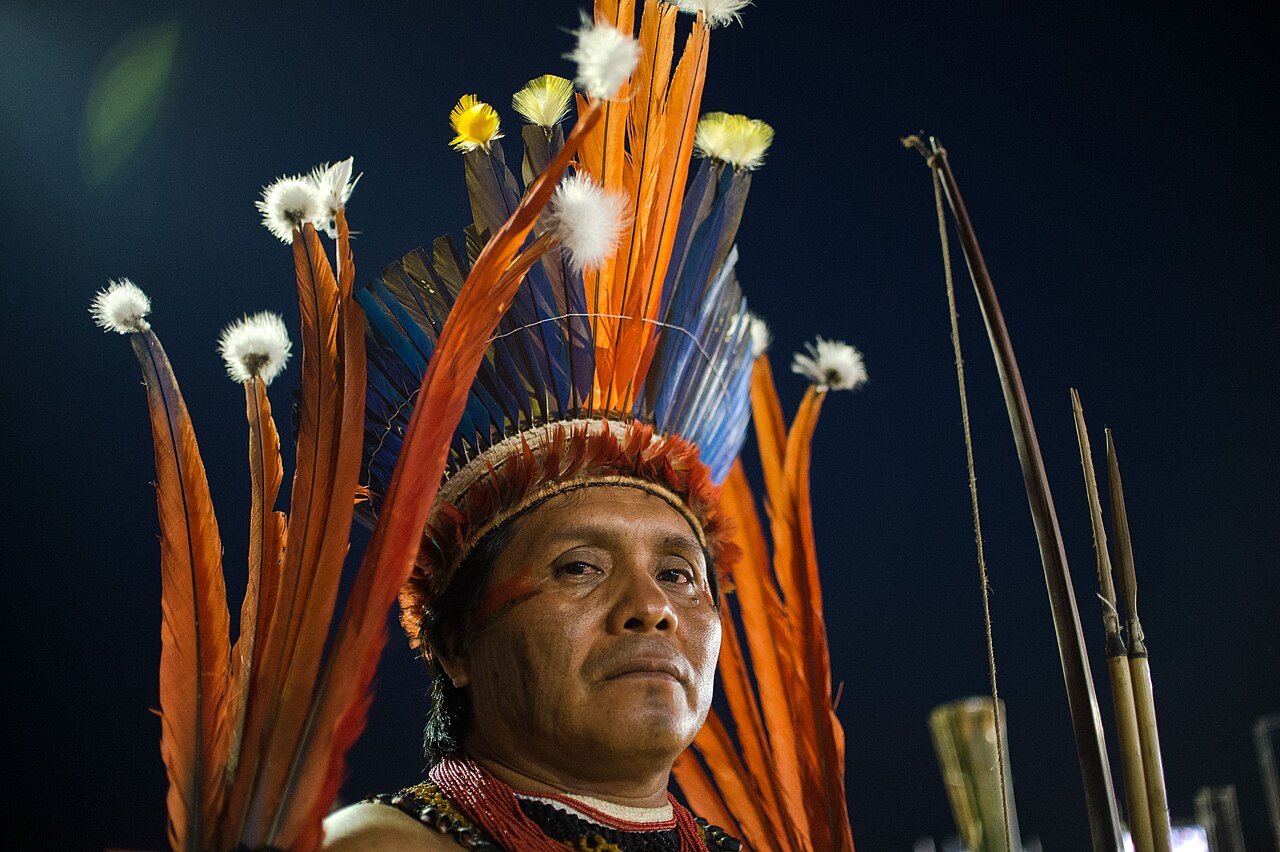
The Indigenous peoples of Guyana, often called Amerindians, were the first people to live in the land that is now Guyana. Today they make up roughly one tenth of the population and live mainly in the interior, along the rivers and on the Rupununi savannahs.[1]
Before Europeans arrived
People have lived in the Guianas for thousands of years, but sources disagree on how long. Britannica says the first inhabitants probably reached the Guyana highlands during the first millennium BCE, and names the Arawak, Carib and possibly Warao among the earliest groups.[2] Wikipedia's history of Guyana gives much older dates for the first arrival of people in the Americas.[3] What is clear is that by the time Europeans arrived, the coast was home to Lokono (Arawak) communities and the Kalina (Carib) lived further inland.[3]
The early communities farmed by shifting cultivation and also hunted and fished.[2] The name "Guiana" is usually explained as an Indigenous word meaning "land of waters", which fits a country crossed by so many rivers.[3]
The nine nations
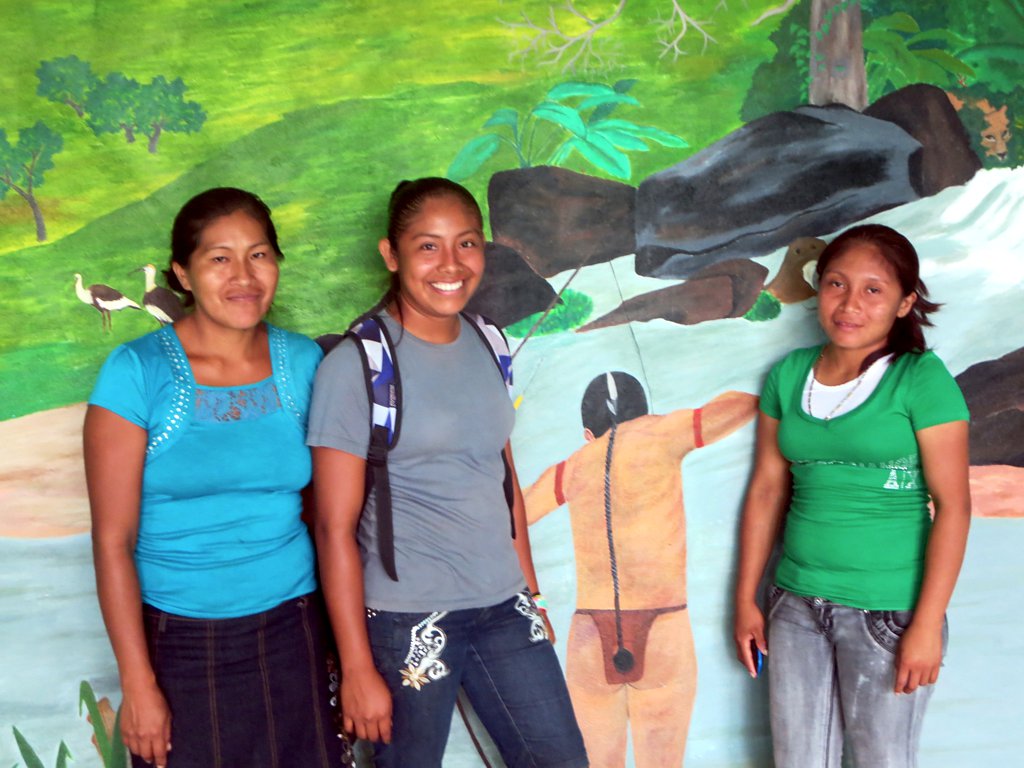
Guyana recognises nine Indigenous nations. Each has its own language and customs, although speakers of Pemon, Kapóng and Macushi can understand each other.[1]
| Nation | Also known as | Main areas |
|---|---|---|
| Akawaio | Kapóng, Ingariko | Mazaruni River basin[1][4] |
| Arecuna | Pemon | Upland savannah near Brazil and Venezuela[1] |
| Kalina | Carib, Cariña | North east[1] |
| Lokono | Arawak | Coastal and riverine areas[1][5] |
| Macushi | Makushi | North Rupununi, Brazil border[1][6] |
| Patamona | Ingarikó | West central Guyana[1] |
| Wai Wai | Waiwai | Far south, near Brazil[1] |
| Wapishana | Wapichan | South Rupununi, Brazil border[1][7] |
| Warao | Warrau | North west coast and Venezuela[1] |
Under colonial rule
Contact with Europeans was devastating. Diseases, an Indigenous slave trade, warfare and forced migration had what historians describe as a "catastrophic effect" on Indigenous communities.[3] Many people withdrew into the interior. By the 1660s, the Indigenous population was estimated at about 50,000, most of them in the hinterland.[3]
Dutch and later British colonists made alliances with some Indigenous nations. Kalina and Lokono fighters were used by the Dutch during the 1763 Berbice uprising, and Indigenous militias were also used to hunt people who escaped slavery, a practice that continued into the 1800s.[1][9] Colonial governments also saw Indigenous peoples as protectors of the borders against Spanish and French claims. Christian missions and schools spread through many communities and still play a role today.[1]
Independence and today
The 1965 constitutional conference that prepared for independence recognised the rights of Amerindians.[1] Land titling is still a central issue, because mining, logging and other commercial activity can encroach on traditional lands and pollute water supplies.[1]
Indigenous culture is part of everyday Guyana. Amerindian peoples are credited with cassava dishes and with pepperpot, the dish many Guyanese call the national dish, and many Amerindian words have entered Guyanese Creole.[1] The Alleluia church, founded by Amerindians, blends Christian belief with Indigenous tradition.[1]
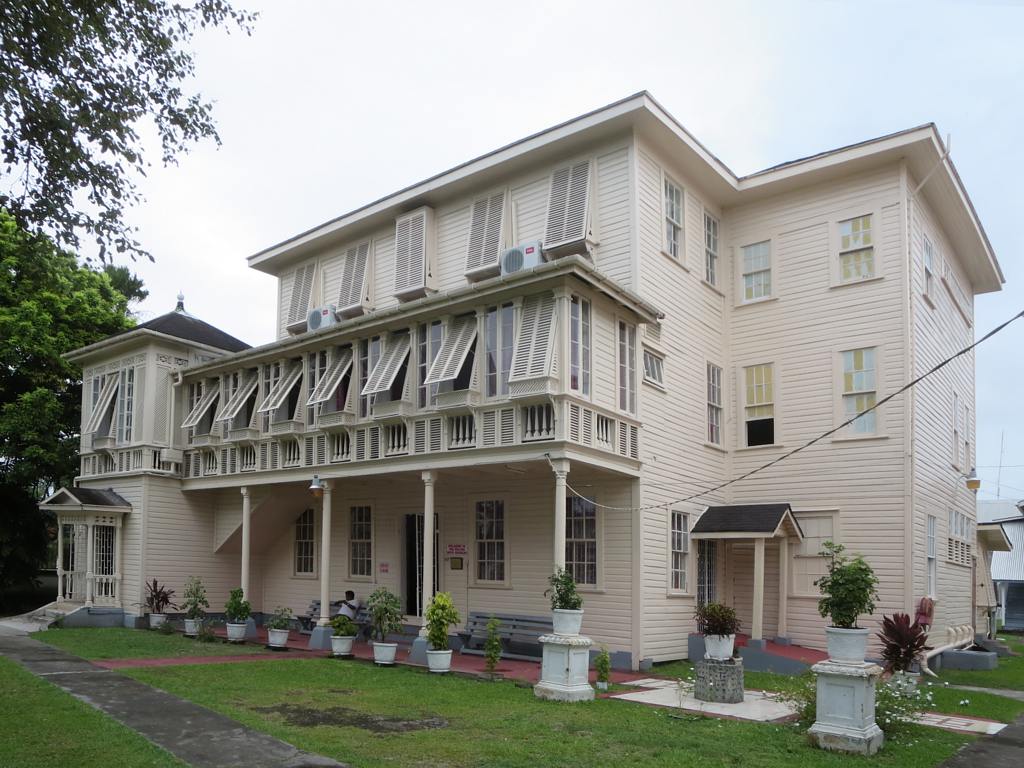
The Walter Roth Museum of Anthropology in Georgetown collects and shows artefacts of Guyana's ancient cultures. It was set up in 1974 and opened to the public in 1982, and says it is the oldest museum of its kind in the English-speaking Caribbean.[10]
See also
References
- "Indigenous peoples in Guyana". Wikipedia. https://en.wikipedia.org/wiki/Indigenous_peoples_in_Guyana (accessed 24 Oct 2026) Open source Checked 24 Oct 2026.
- Richardson, Bonham C. "Guyana: History". Encyclopaedia Britannica. https://www.britannica.com/place/Guyana/History (accessed 24 Oct 2026) Open source Checked 24 Oct 2026.
- "History of Guyana". Wikipedia. https://en.wikipedia.org/wiki/History_of_Guyana (accessed 24 Oct 2026) Open source Checked 24 Oct 2026.
- "Akawaio people". Wikipedia. https://en.wikipedia.org/wiki/Akawaio_people Open source
- "Lokono". Wikipedia. https://en.wikipedia.org/wiki/Lokono Open source
- "Macushi". Wikipedia. https://en.wikipedia.org/wiki/Macushi Open source
- "Wapishana". Wikipedia. https://en.wikipedia.org/wiki/Wapishana Open source
- "Umana Yana". Wikipedia. https://en.wikipedia.org/wiki/Umana_Yana Open source
- "Berbice Rebellion". Wikipedia. https://en.wikipedia.org/wiki/Berbice_Rebellion Open source
- "Walter Roth Museum of Anthropology". Wikipedia. https://en.wikipedia.org/wiki/Walter_Roth_Museum_of_Anthropology Open source
Categories: History | Peoples and cultures
Text CC BY-SA 4.0. Adapted in part from the Wikipedia articles listed under References (CC BY-SA 4.0). Images are credited under their own licences. Site contact: service@computingcore.net.