
Demerara rebellion of 1823
The August 1823 rising of 9,000 to 13,000 enslaved people in Demerara, led by Jack Gladstone and Quamina.
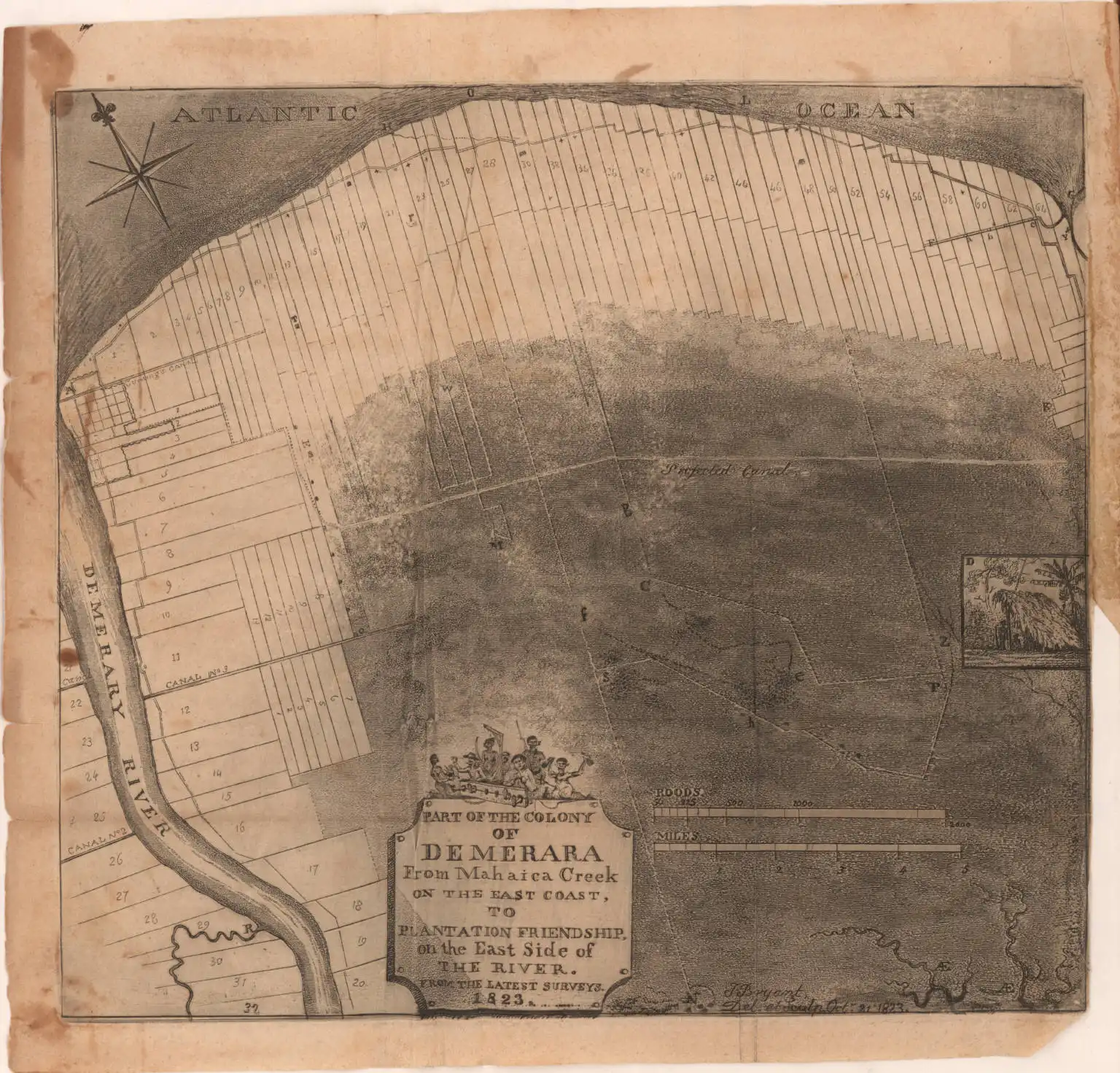
The Demerara rebellion was a rising of enslaved people on the East Coast of Demerara in August 1823. It was largely nonviolent, but it was put down with great brutality. Its aftermath helped turn British opinion against slavery.[1]
Causes
By 1823, the British Parliament was debating how to improve the treatment of enslaved people. Orders reached Governor John Murray of Demerara in July 1823, but they were argued over in the Court of Policy and not announced.[1] A widespread but mistaken belief grew that Britain had already freed the enslaved and that the colonists were hiding it.[1]
Many of the organisers belonged to the congregation of Bethel chapel at plantation Le Resouvenir, where the English missionary John Smith of the London Missionary Society preached.[1]
The rising
The main organiser was Jack Gladstone, an enslaved man on plantation "Success". His father, Quamina, a carpenter on the same estate and a senior church member, was also involved.[1][2] Success was owned by Sir John Gladstone, father of the later British Prime Minister William Gladstone.[1]
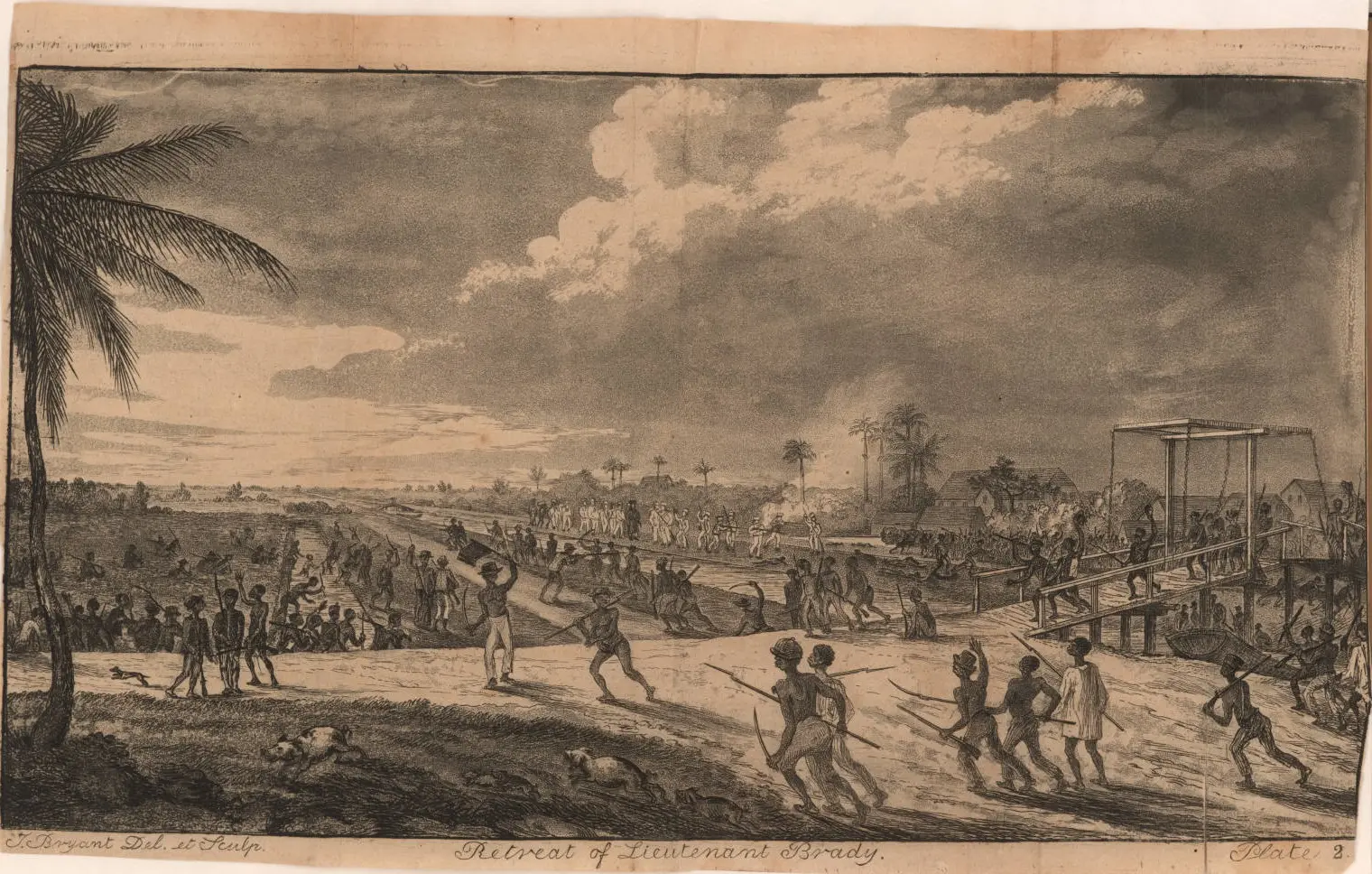
On 18 August 1823, thousands of enslaved people on dozens of estates rose up. Estimates of their number range from about 9,000 to 13,000.[1][3] They mostly locked up managers and seized weapons rather than killing. Their goal was full emancipation.[1]
Repression
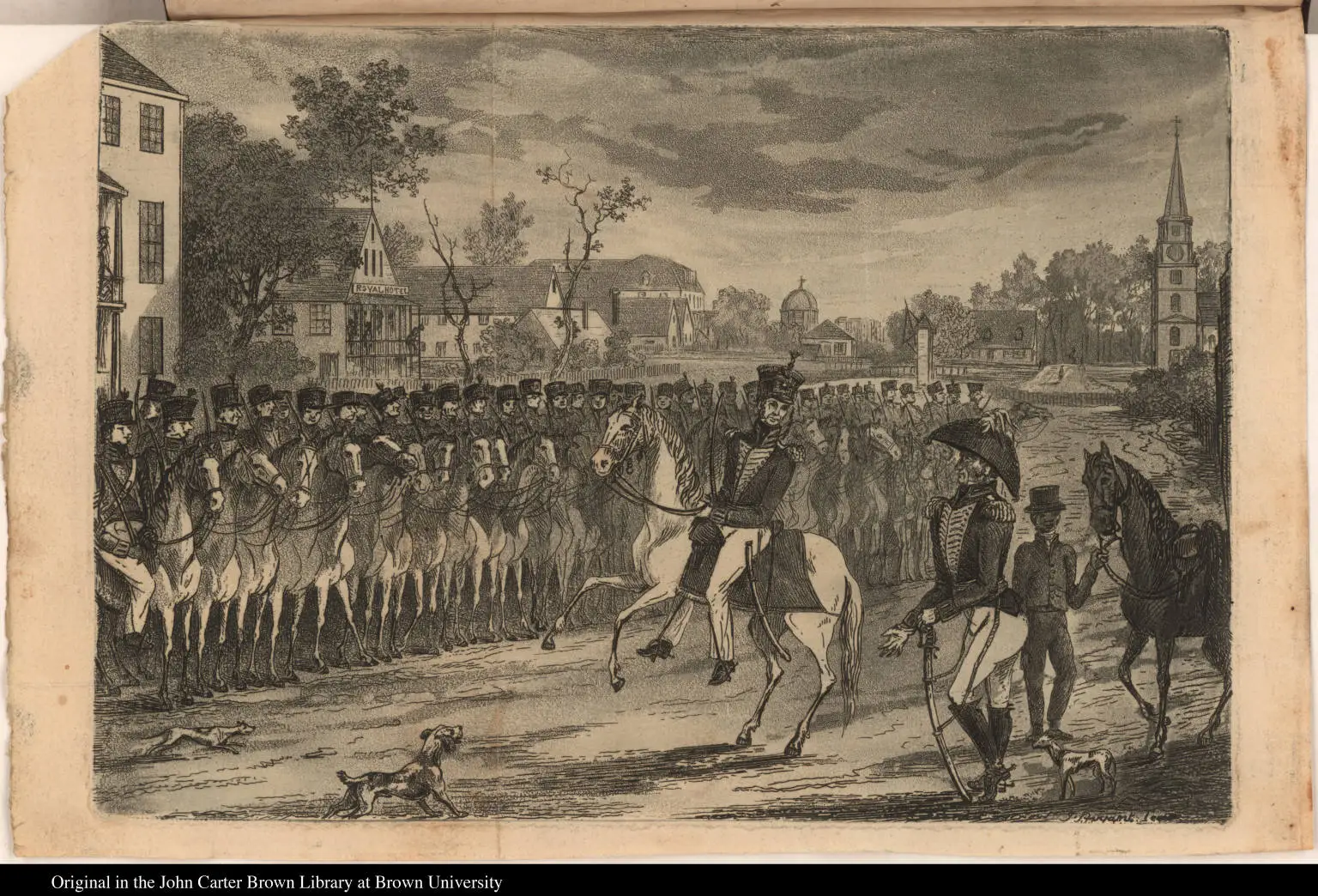
The colonists under Governor Murray declared martial law and crushed the rising within two days. Between about 200 and 500 enslaved men and women were killed in the fighting.[1] Afterwards, 45 men were sentenced to death and 27 were executed. Their bodies were displayed in public for months as a warning.[1] Quamina was killed by soldiers on 16 September 1823.[2] Jack Gladstone may have been deported to St Lucia.[1]
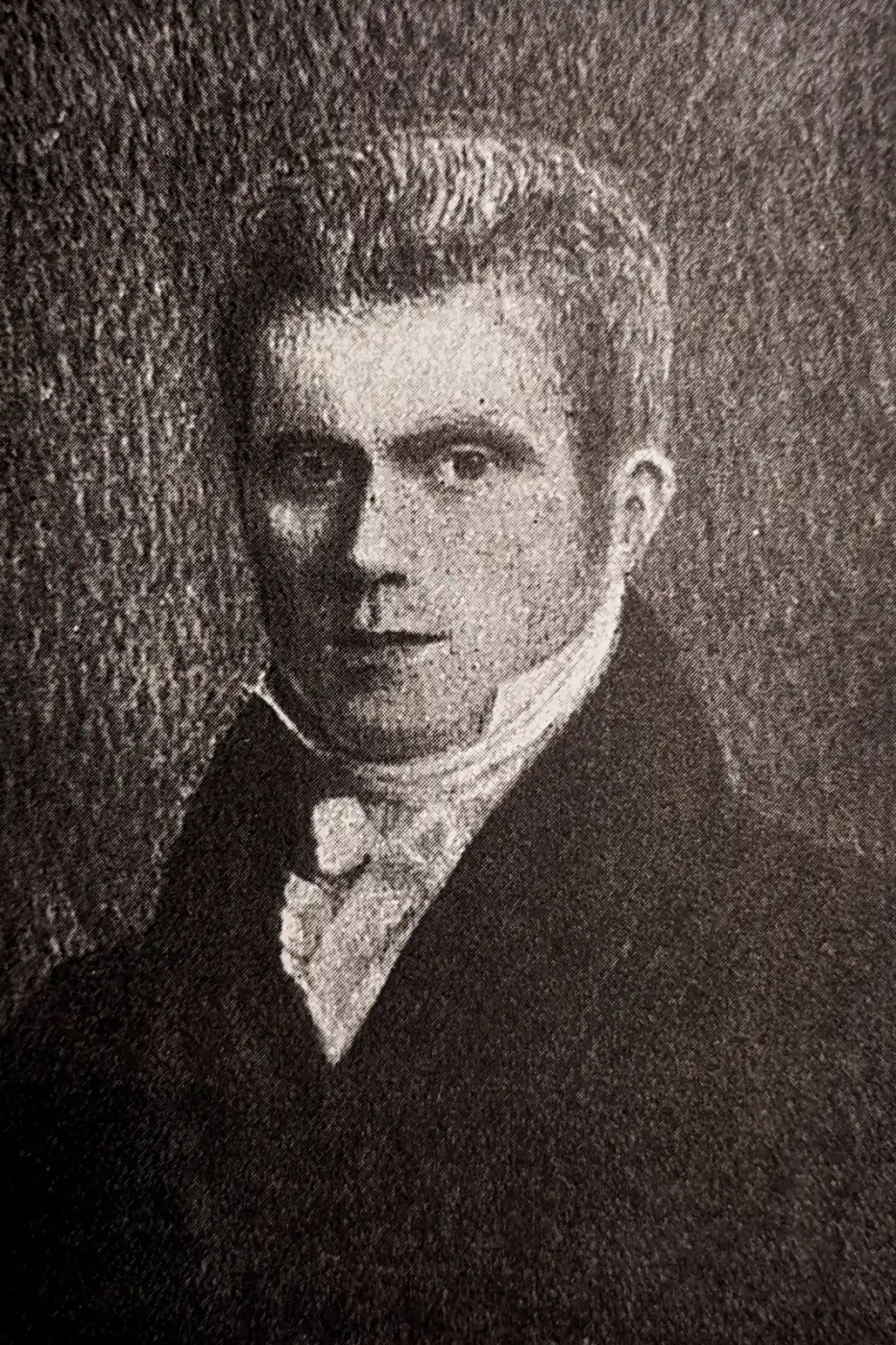
John Smith was tried and sentenced to death. He died in prison in 1824 while waiting for news of his appeal. News of his death strengthened the anti-slavery movement in Britain.[1][4]
Legacy
Slavery was abolished across the British Empire by an Act of 1833, with full freedom in 1838 (see Slavery and emancipation).[3] After independence a main street in Georgetown was named after Quamina.[1] Executions after the rising took place on the Parade Ground, now Independence Park, next to the Promenade Gardens.[5]
References
- "Demerara rebellion of 1823". Wikipedia. https://en.wikipedia.org/wiki/Demerara_rebellion_of_1823 (accessed 24 Oct 2026) Open source Checked 24 Oct 2026.
- "Quamina". Wikipedia. https://en.wikipedia.org/wiki/Quamina Open source
- "History of Guyana". Wikipedia. https://en.wikipedia.org/wiki/History_of_Guyana Open source
- "John Smith (missionary)". Wikipedia. https://en.wikipedia.org/wiki/John_Smith_(missionary) Open source
- "Promenade Gardens". Wikipedia. https://en.wikipedia.org/wiki/Promenade_Gardens Open source
Categories: History | Slavery and resistance
Text CC BY-SA 4.0. Adapted in part from the Wikipedia articles listed under References (CC BY-SA 4.0). Images are credited under their own licences. Site contact: service@computingcore.net.