
Dutch colonisation of Guyana
How the Dutch built the colonies of Essequibo, Berbice and Demerara between 1616 and 1814.
The Dutch were the first Europeans to settle in what is now Guyana. Over almost two centuries they built three plantation colonies, Essequibo, Berbice and Demerara, that later became British Guiana.[1]
First settlements
Spain claimed the coast between the Orinoco and the Amazon but largely avoided it. This stretch was long called the Wild Coast.[2] Britannica dates the first Dutch trading posts up the rivers to about 1580.[2] Wikipedia's history of Guyana gives 1616 for the first lasting European settlement, a trading post about 25 km up the Essequibo River.[1]
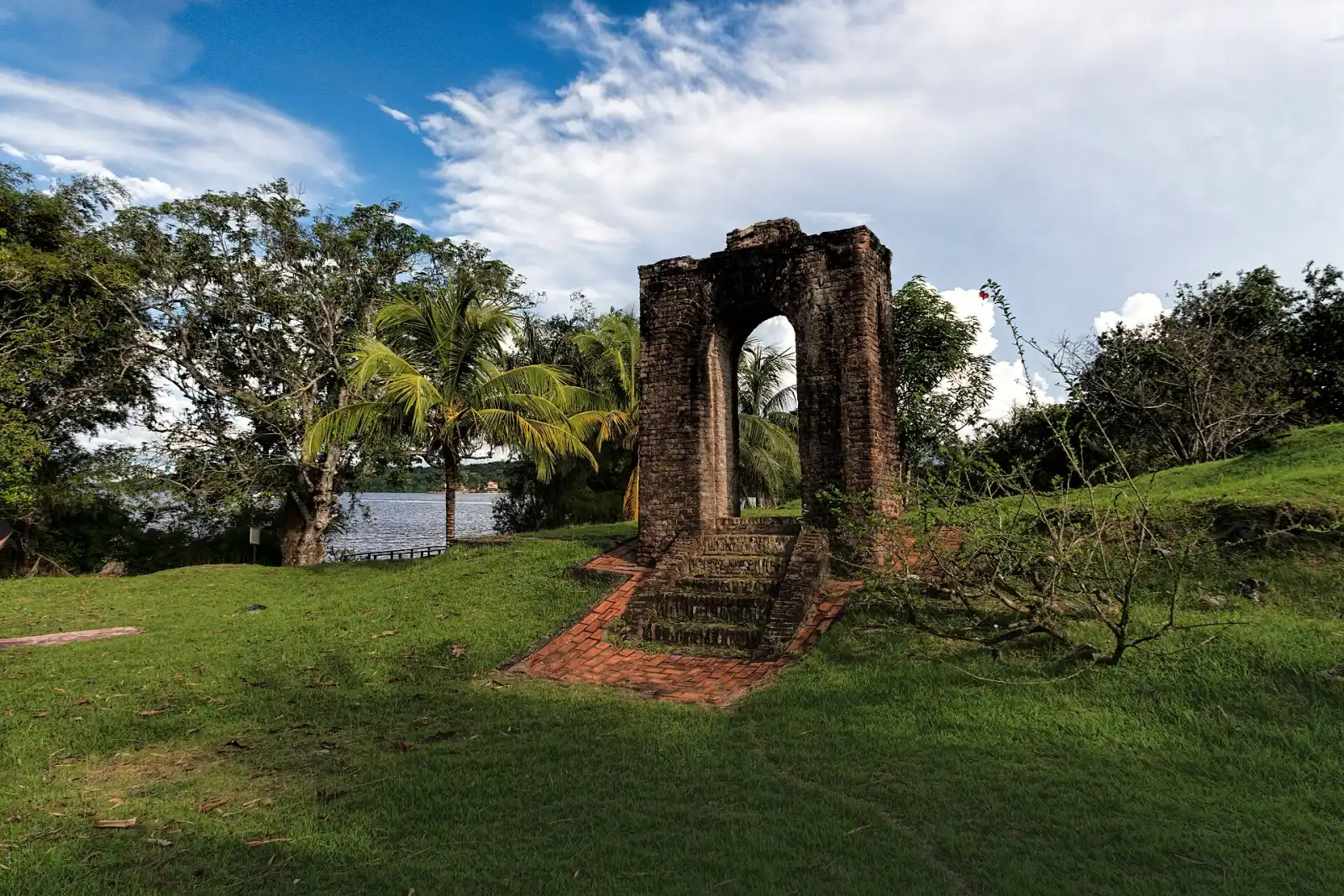
That post grew into Fort Kyk-Over-Al. The name means "see over all" in Dutch, a reference to its view over the rivers. The fort was the centre of Dutch administration in Essequibo for many years, but by 1748 it had been abandoned and its bricks reused.[3]
The three colonies
| Colony | Founded | Notes |
|---|---|---|
| Essequibo | 1616 | Run by the Dutch West India Company (WIC) from 1621 for more than 170 years[1] |
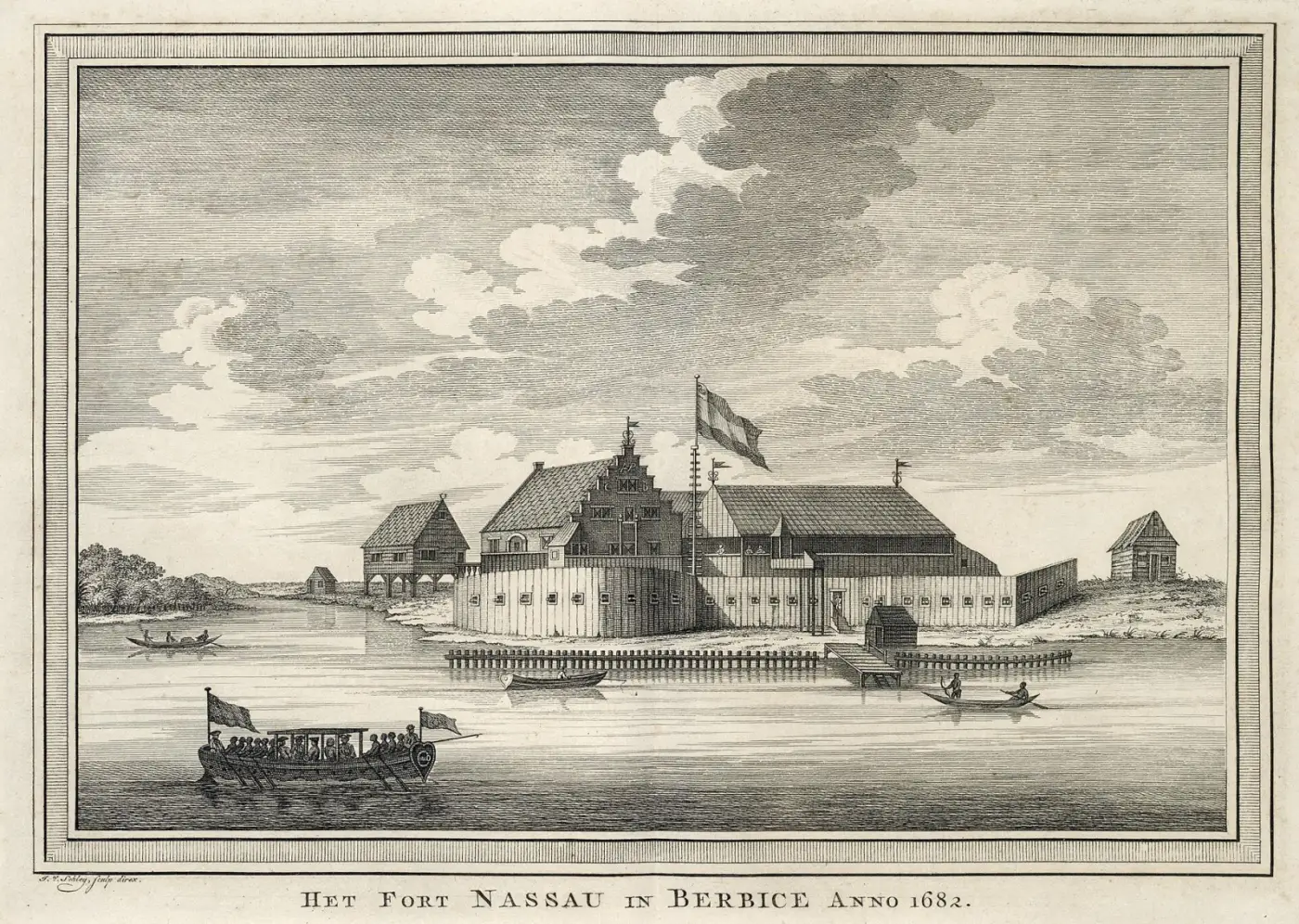
| Berbice | 1627 | Governed separately on the Berbice River; later run by the Society of Berbice[1][4] |
| Demerara | settled 1741, separate colony 1773 | Opened to British settlers from 1746[1] |
At first the Dutch came to trade with Indigenous peoples. As other European powers took Caribbean islands, the Dutch turned to farming and to holding territory. Dutch control was recognised by Spain in the Treaty of Münster in 1648.[1]
Plantations and slavery
As farming grew, so did the demand for labour. The Dutch turned to enslaved Africans. By the 1660s there were about 2,500 enslaved people in the colonies.[1] By the mid 1600s the Dutch were growing sugar cane with enslaved West African labour, and in the 1700s planters moved their estates down to the fertile river mouths and coastal mud flats.[2] Laurens Storm van 's Gravesande, governor of Essequibo from 1742 to 1772, led much of this growth.[2]
Conditions for the enslaved were brutal. Mortality was high, and there were more than half a dozen rebellions. The largest was the Berbice Uprising of 1763.[1]
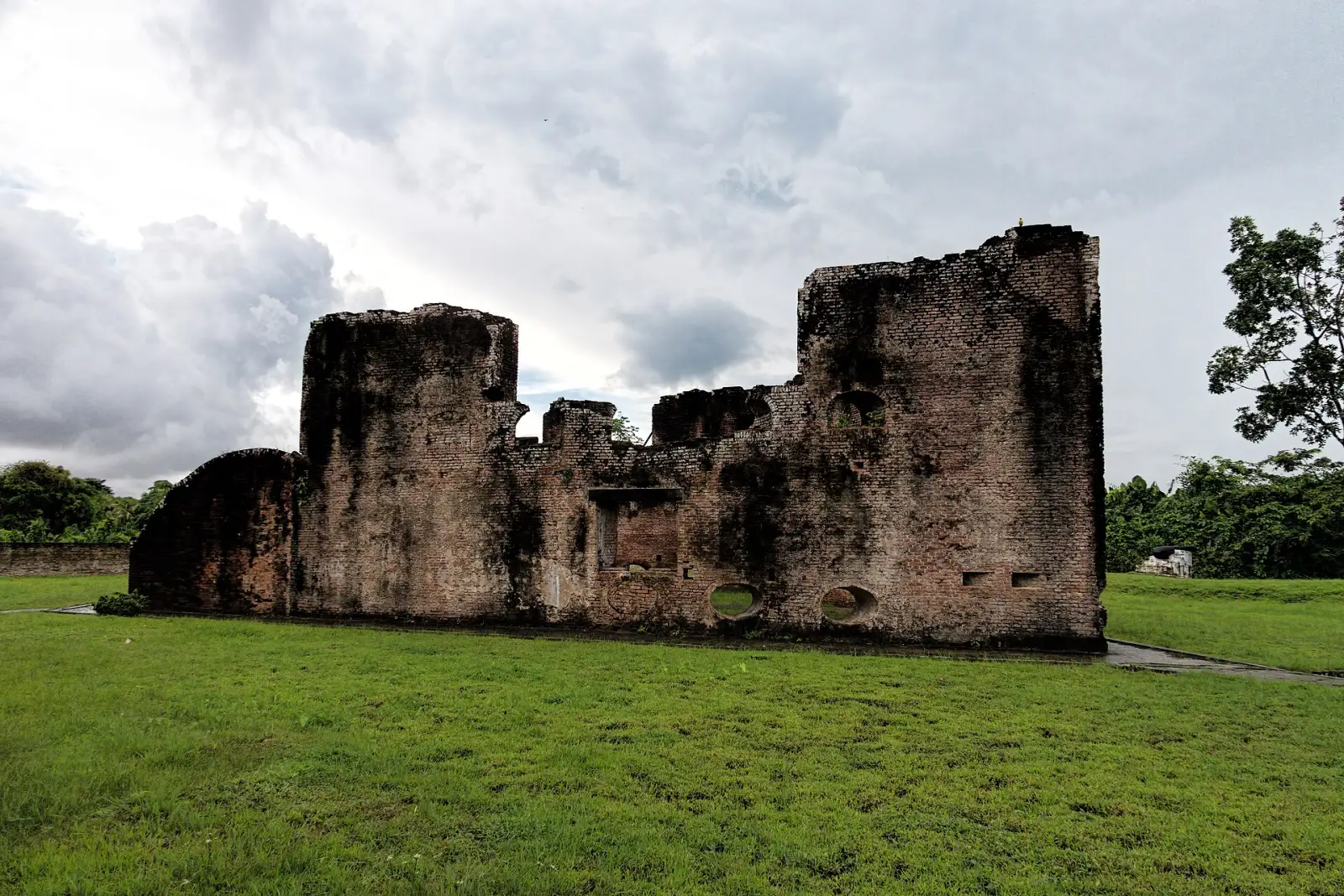
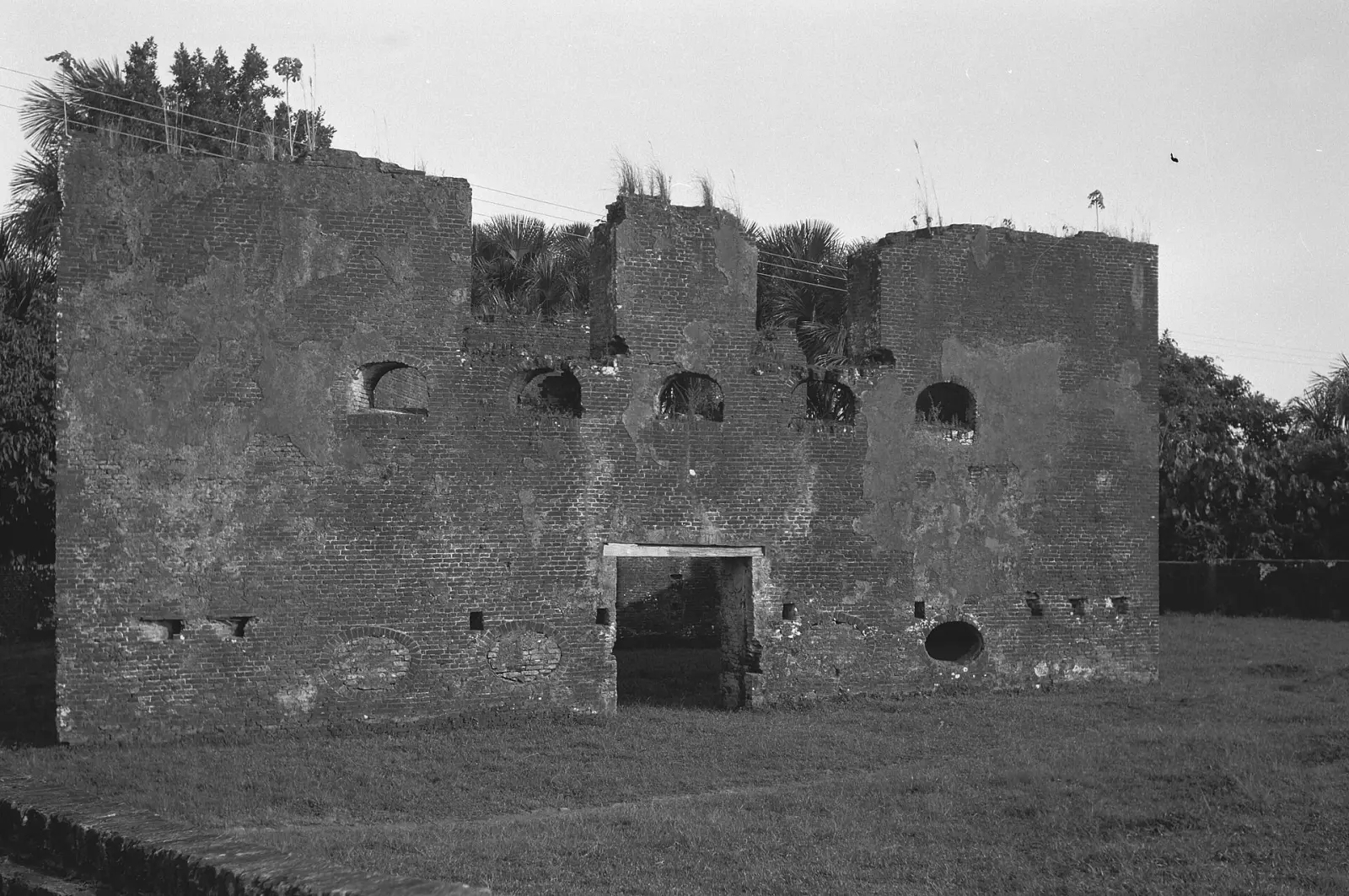
Fort Zeelandia, built in brick in 1743 on Fort Island, replaced Kyk-Over-Al as the seat of Essequibo's government.[5] UNESCO lists Fort Zeelandia, including the Court of Policy building, on Guyana's World Heritage Tentative List.[6]
War, the French and Stabroek
From 1746 the Dutch let British settlers into Demerara. So many came from Barbados and other islands that by 1760 the English were the largest European group there.[1] In 1781 Britain occupied the colonies during a war with the Netherlands. France, a Dutch ally, then took them and built a new town, Longchamps, at the mouth of the Demerara River. When the Dutch returned in 1784 they made it their capital and renamed it Stabroek. The British renamed it Georgetown in 1812.[1][2]
Planters clashed with the WIC over taxes and representation. A Dutch committee produced the "Concept Plan of Redress", which created the Court of Policy. The WIC charter was allowed to expire in 1792, and Demerara and Essequibo came under direct Dutch government rule.[1]
The end of Dutch rule
During the French Revolutionary and Napoleonic wars the colonies changed hands several times. Britain occupied them in 1796, returned them under the Treaty of Amiens, and took them again in 1803. At the London Convention of 1814 they were formally ceded to Britain.[1] Continue with British rule.
References
- "History of Guyana". Wikipedia. https://en.wikipedia.org/wiki/History_of_Guyana (accessed 24 Oct 2026) Open source Checked 24 Oct 2026.
- Richardson, Bonham C. "Guyana: History". Encyclopaedia Britannica. https://www.britannica.com/place/Guyana/History (accessed 24 Oct 2026) Open source Checked 24 Oct 2026.
- "Fort Kyk-Over-Al". Wikipedia. https://en.wikipedia.org/wiki/Fort_Kyk-Over-Al Open source
- "Berbice Rebellion". Wikipedia. https://en.wikipedia.org/wiki/Berbice_Rebellion Open source
- "Fort Zeelandia (Guyana)". Wikipedia. https://en.wikipedia.org/wiki/Fort_Zeelandia_(Guyana) Open source
- "Guyana: Tentative List". UNESCO World Heritage Centre. https://whc.unesco.org/en/statesparties/gy (accessed 24 Oct 2026) Open source Checked 24 Oct 2026.
Categories: History | Colonial era
Text CC BY-SA 4.0. Adapted in part from the Wikipedia articles listed under References (CC BY-SA 4.0). Images are credited under their own licences. Site contact: service@computingcore.net.