
Indentureship (Indian, Portuguese and Chinese)
How indentured workers from Madeira, India and China came to British Guiana after emancipation, and the communities they built.
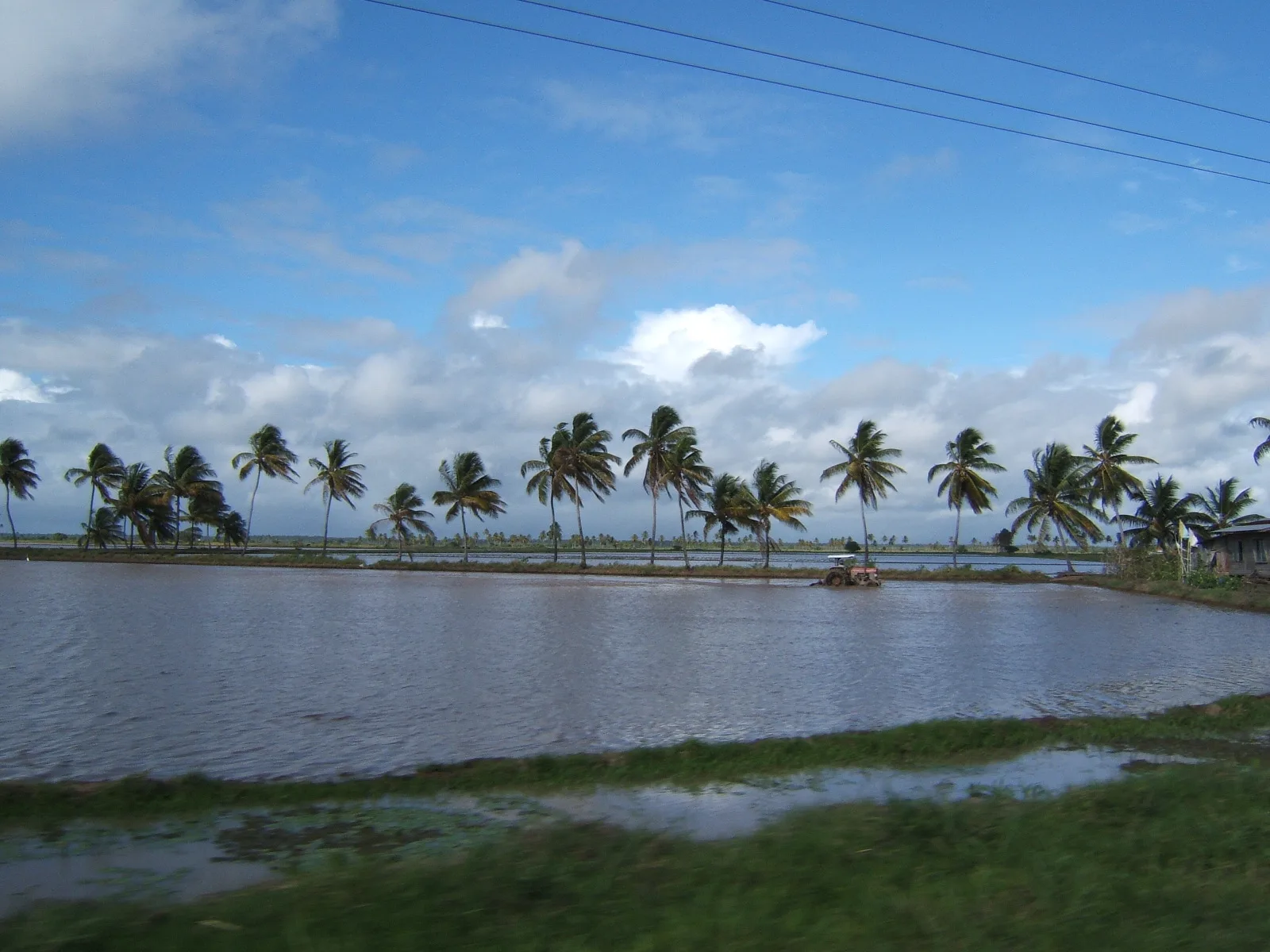
When slavery ended, many freed Africans left the sugar estates. To keep the plantations running, planters and the colonial government brought in workers on contracts called indentures. Over about 80 years, this brought the Portuguese, Indian and Chinese communities that, with African, Indigenous and European Guyanese, make up the country today.[1]
How indenture worked
An indentured worker signed a contract to work on a plantation for a fixed time, usually five years, for a small fixed wage. After further years of residence, Indian workers could claim a free passage home or stay and receive land or money.[2] In practice, recruitment often involved deception and coercion, wages were low, and many workers fell into debt.[2][3]
Portuguese from Madeira
The first Portuguese indentured workers arrived from the Atlantic island of Madeira in 1835, and most came before the 1860s.[4] Few stayed on the estates. Many moved into shops and trade and became an important commercial class.[1][4] Their success brought hostility, including the 1856 "Angel Gabriel" riots in which Portuguese shops were looted.[4] Portuguese Arrival Day is marked on 3 May.[4] Garlic pork, a Christmas favourite, comes from the Madeiran dish carne de vinha d'alhos.[5]
Indians
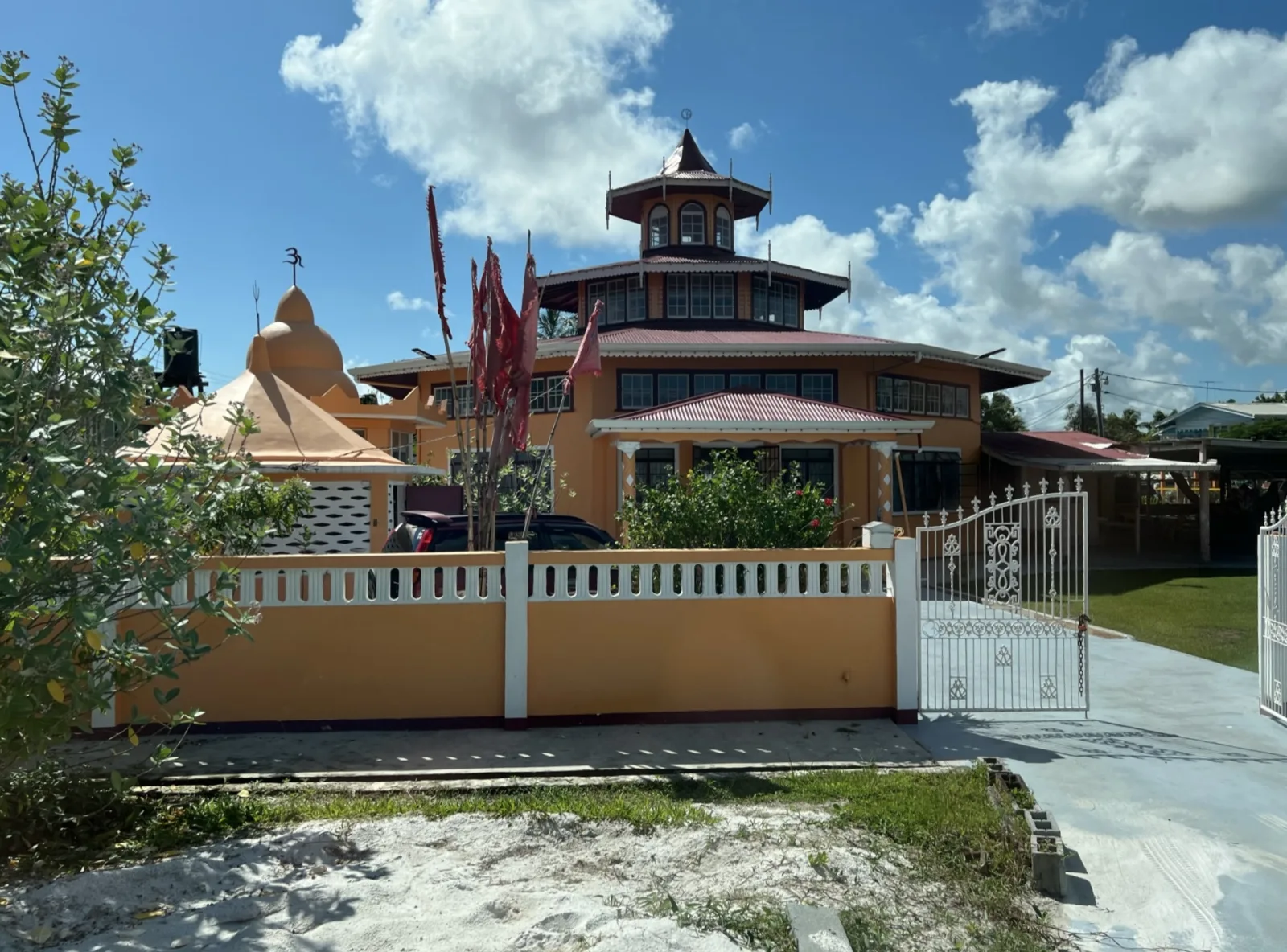
On 5 May 1838, 396 workers from India arrived in British Guiana. They became known as the "Gladstone Coolies".[1][6] Up to 1928, about 239,909 Indians arrived. About 75,547 went home, and the rest became the ancestors of today's Indo-Guyanese.[2]
Most came from eastern Uttar Pradesh and Bihar in north India, with smaller numbers from Tamil and Telugu speaking areas in the south.[1][2] Indian indenture was outlawed by Britain in 1917 after strong criticism from Indian nationalists.[1] Indo-Guyanese are now the largest ethnic group, about 40% of the population in the 2012 census.[2] Indian Arrival Day on 5 May is a public holiday.[6]
Chinese
Chinese workers began arriving in 1853. About 14,000 came between 1853 and 1879 on 39 ships from Hong Kong, most of them men.[7] Many later left the plantations for trade, and by the late 1800s Chinese Guyanese ran many shops.[7] The community quickly adopted Christianity and much of local culture.[7] Arthur Chung, independent Guyana's first President (1970 to 1980), was of Chinese descent.[7]
Legacy
Indentureship made Guyana one of the most diverse societies in the Americas. It also laid the ground for later political rivalry between African and Indian Guyanese, a theme in Road to independence.[1]
References
- "History of Guyana". Wikipedia. https://en.wikipedia.org/wiki/History_of_Guyana (accessed 24 Oct 2026) Open source Checked 24 Oct 2026.
- "Indo-Guyanese". Wikipedia. https://en.wikipedia.org/wiki/Indo-Guyanese Open source
- "Indian indenture system". Wikipedia. https://en.wikipedia.org/wiki/Indian_indenture_system Open source
- "Portuguese Guyanese". Wikipedia. https://en.wikipedia.org/wiki/Portuguese_Guyanese Open source
- "Carne de vinha d'alhos". Wikipedia. https://en.wikipedia.org/wiki/Carne_de_vinha_d%27alhos Open source
- "Indian Arrival Day". Wikipedia. https://en.wikipedia.org/wiki/Indian_Arrival_Day Open source
- "Chinese Guyanese". Wikipedia. https://en.wikipedia.org/wiki/Chinese_Guyanese Open source
Categories: History | Peoples and cultures
Text CC BY-SA 4.0. Adapted in part from the Wikipedia articles listed under References (CC BY-SA 4.0). Images are credited under their own licences. Site contact: service@computingcore.net.